How to Identify Comeback Opportunities in Live Basketball Games

Want expert predictions delivered daily?
Get free tips on Telegram or upgrade to Premium.
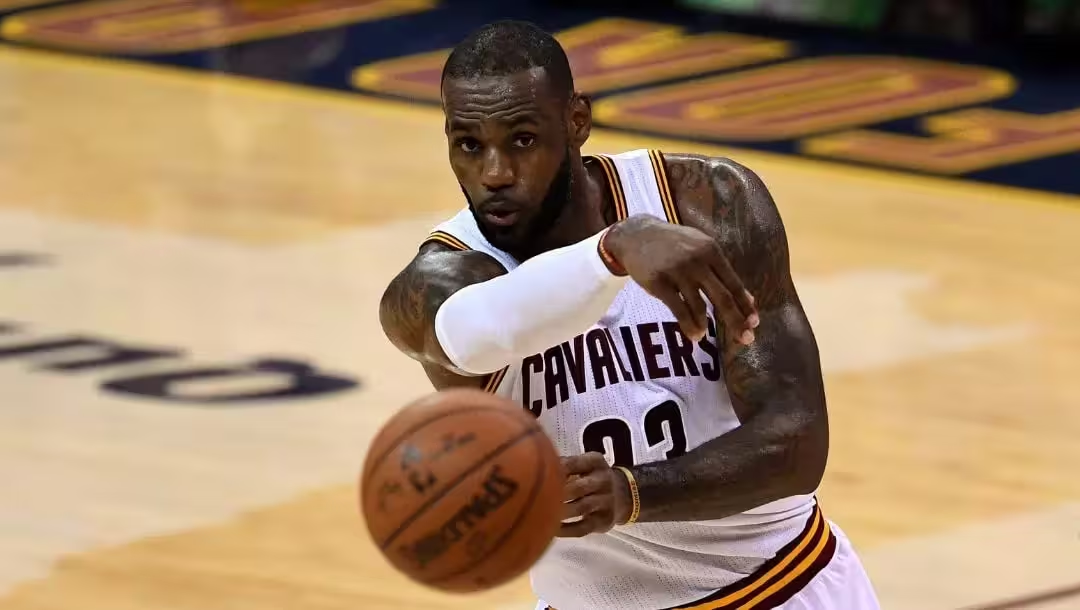
Identifying comeback opportunities in live basketball games means recognizing when a team that is currently behind has a strong chance to turn the game around and win. This skill is valuable for live betting, as odds can shift dramatically when a comeback looks likely, offering profitable betting chances.
Understanding how to spot these shifts requires paying close attention to game dynamics, player performance, and strategic decisions as they happen. This article will teach you the specific signs and factors to look for, helping you make more informed decisions when betting on live basketball.
What Makes a Basketball Comeback Possible?
A basketball comeback becomes possible when a trailing team possesses certain inherent qualities or when specific game situations create an opening for them to close the gap. It is not just about a team being down, but about their ability to overcome that deficit through skill, strategy, and mental toughness.
Several elements combine to set the stage for a dramatic turnaround in a live basketball game. Recognizing these foundational aspects is the first step in identifying genuine comeback potential.
Team Strengths That Fuel Comebacks
Certain team characteristics make a comeback more likely, even when they are facing a significant deficit. These strengths often become more apparent as the game progresses and pressure mounts on both sides.
Here are some key team strengths to consider when looking for comeback opportunities:
- Deep Bench: Teams with strong reserves can bring fresh legs and talent into the game, maintaining high energy levels when starters are fatigued or in foul trouble. A deep bench allows a coach to adapt to different game situations and matchups effectively.
- Elite Scorers: A team with one or two players capable of scoring in bunches can quickly erase a deficit. These players can hit multiple three-pointers or drive to the basket repeatedly, shifting momentum with a personal scoring run.
- Strong Defense: A team known for its defensive intensity can stifle an opponent's scoring, forcing turnovers and bad shots. Defensive stops are crucial for comebacks, as they prevent the leading team from extending their advantage.
- Experienced Leadership: Veteran players who have been in many close games often keep their composure and lead by example during tough stretches. Their ability to make smart plays and calm their teammates can be invaluable when trying to mount a comeback.
Key Indicators of a Potential Comeback
Spotting a potential comeback in live basketball betting involves looking for specific signs that suggest a shift in the game's momentum. These indicators are often subtle at first but can quickly escalate, signaling a real chance for the trailing team to turn things around.
Paying close attention to these details throughout the game can give you an edge in identifying value bets. It is about understanding the flow of the game beyond just the score.
Here is a table outlining common comeback indicators and what they suggest:
| Indicator | What It Means for a Comeback | Example Scenario |
|---|---|---|
| Opponent's Foul Trouble | Key players on the leading team accumulate fouls, potentially limiting their playing time or forcing them to play less aggressively. This can open up scoring opportunities for the trailing team. | The leading team's star center gets their 4th foul early in the 3rd quarter, forcing them to the bench. |
| Increased Defensive Intensity | The trailing team starts playing much tougher defense, forcing turnovers, getting steals, and blocking shots. This disrupts the opponent's rhythm and creates fast-break chances. | The trailing team suddenly starts pressing full-court and forces two quick turnovers, leading to easy baskets. |
| Hot Shooting Streak | The trailing team, especially a good shooting team, starts consistently making shots, particularly from three-point range. This can quickly close a scoring gap. | A team known for its outside shooting hits three consecutive three-pointers, cutting a 15-point deficit to 6 in under two minutes. |
| Strategic Timeouts | A coach calls a timeout at a critical moment to regroup, draw up a new play, or calm their players. This can effectively stop an opponent's run and reset the game's flow. | The leading team goes on a 7-0 run, and the trailing team's coach calls a timeout, after which their team comes out with a new defensive scheme. |
| Opponent's Complacency | The leading team, feeling comfortable with their lead, starts playing sloppily, taking bad shots, or committing unforced errors. This gives the trailing team easy opportunities to score. | The leading team, up by 20 points, starts showboating and misses several easy layups, allowing the opponent to chip away at the lead. |
Analyzing Team Dynamics for Comeback Potential
Understanding the specific dynamics within a team can provide deeper insights into their ability to stage a comeback. It is not just about individual talent, but how players interact and how the coaching staff manages the game.
These dynamics often determine whether a team can overcome adversity or if they will fold under pressure. Looking at these elements helps you assess the true resilience of a team.
The Impact of Coaching Strategies
A coach's decisions during a live game play a significant role in a team's comeback efforts. Their ability to make timely adjustments can completely change the trajectory of a game.
Consider these coaching aspects when evaluating comeback potential:
- Timeout Usage: Effective coaches use timeouts not just to stop an opponent's run but also to draw up specific plays, motivate players, or implement defensive changes. A well-timed timeout can be a turning point.
- Substitution Patterns: Coaches might change their lineup to match up better against the opponent, bring in fresh energy, or put their best defensive players on the court. These changes can spark a new offensive or defensive rhythm.
- Play Calling: In crunch time, a coach's ability to call the right offensive sets or defensive schemes can make all the difference. Teams with clear offensive structures and disciplined defensive plays are better equipped for comebacks.
Bench Strength and Depth
The quality of a team's bench players is often overlooked but is incredibly important for sustaining a high level of play throughout a game. A strong bench can provide a much-needed boost when starters are resting or struggling.
A deep roster means a team can maintain intensity and talent even when key players are not on the court. This depth is a significant advantage in comeback scenarios, especially in longer games or when foul trouble hits.
The Role of Momentum and Psychology in Live Betting
Momentum and psychological factors are powerful, yet often intangible, elements that heavily influence basketball games and comeback probabilities. A shift in either can turn a seemingly lost cause into a thrilling victory.
Recognizing these psychological swings is crucial for live bettors, as they can precede significant changes in game flow and betting odds. It is about feeling the pulse of the game.
How Momentum Shifts the Game
Momentum in basketball is the feeling that one team is in control and making all the right plays, often accompanied by a scoring run. When momentum shifts, it can rapidly change the score and the energy of the game.
Key plays often trigger these shifts, such as a spectacular block, a crucial steal, or a series of made three-pointers. The crowd's reaction also plays a role, fueling the team with momentum and putting pressure on the opponent.
Psychological Pressure on the Leading Team
When a team holds a large lead, they can sometimes become complacent, leading to a drop in focus and execution. This psychological relaxation can be a golden opportunity for the trailing team.
Conversely, the trailing team often plays with a sense of urgency and desperation, which can sharpen their focus and effort. The pressure of maintaining a lead can cause the leading team to make uncharacteristic mistakes, opening the door for a comeback.
Practical Examples of Comeback Scenarios
Understanding the theory behind comebacks is one thing, but seeing how they unfold in real-game situations makes the concept much clearer. These examples highlight specific moments and factors that often lead to successful turnarounds.
By studying these common scenarios, you can better train your eye to spot similar patterns in live games. This practical application is key to improving your live betting decisions.
- The "Third Quarter Surge": Many comebacks begin in the third quarter. Teams often come out of halftime with renewed focus and strategic adjustments. If a trailing team starts the third quarter with a strong defensive effort and efficient scoring, it can quickly cut into a double-digit lead. This is a common time for teams to make their move.
- Foul Trouble Exploitation: Imagine a scenario where the leading team's primary ball-handler or dominant big man picks up their fourth foul early in the second half. The trailing team can then aggressively attack that player or exploit their absence, leading to easy baskets and free throws, rapidly closing the gap.
- Three-Point Barrage: A team known for its three-point shooting, even if struggling early, can suddenly catch fire. If they hit three or four consecutive three-pointers in a short span, a 15-point deficit can shrink to 3 points in a matter of minutes. This rapid scoring is a classic comeback mechanism.
- Defensive Masterclass: A team that is down by a significant margin might switch to an aggressive full-court press or a zone defense that completely disrupts the opponent's offense. Forcing turnovers and limiting possessions can starve the leading team of scoring opportunities while creating fast-break points for the trailing squad.
Responsible Betting When Chasing Comebacks
While identifying comeback opportunities can be exciting and potentially profitable, it is crucial to approach live betting with a responsible mindset. The fast-paced nature of live games can lead to impulsive decisions if not managed properly.
Always remember that betting should be a form of entertainment, and never a way to solve financial problems. Practicing responsible betting habits is essential for a sustainable and enjoyable experience.
Here are some important considerations for responsible betting on live comebacks:
- Set a Budget: Before you even start watching a game, decide how much money you are willing to bet and stick to it. Never chase losses by increasing your bet size in hopes of recouping previous losses. This is a fundamental principle of bankroll management.
- Stay Disciplined: The excitement of a potential comeback can make you want to place bets quickly. However, it is important to remain calm and analytical. Avoid betting emotionally or impulsively. Learn how to stay disciplined during live basketball betting to make better choices.
- Research Beforehand: Even for live betting, having some pre-game knowledge helps. Understand team strengths, weaknesses, and typical game flow. This background information helps you better interpret live game events. You can learn more about this in basketball betting analysis.
- Understand the Odds: Live odds change quickly. Make sure you understand what the current odds represent and if they offer good value bets before placing a bet. Sometimes, the odds might already reflect a potential comeback, reducing the value.
- Avoid Chasing Losses: If your initial bets are not working out, do not try to win back your money by making larger, riskier bets. Accept that not every bet will win and stick to your predetermined budget and strategy. This is a common pitfall highlighted in common mistakes to avoid.
Conclusion
Identifying comeback opportunities in live basketball games involves a keen eye for detail, an understanding of team dynamics, and an awareness of psychological shifts. By focusing on factors like foul trouble, defensive intensity, and coaching adjustments, bettors can spot moments when a trailing team is poised to turn the tide. Always remember to bet responsibly, setting clear limits and avoiding emotional decisions, to ensure a sustainable and enjoyable betting experience.
? Frequently Asked Questions
What is a "comeback opportunity" in live basketball betting? ⌄
How quickly can a basketball comeback happen? ⌄
Are all teams equally likely to make a comeback? ⌄
Should I always bet on a team showing comeback signs? ⌄
What are the biggest risks when betting on comebacks? ⌄
How does foul trouble affect comeback potential? ⌄
Related Articles
- Live Basketball Betting Mistakes That Cost Bettors Money
- How to Improve Your Basketball Live Betting Decisions
- Can You Beat the Bookmakers with Live Basketball Betting?
- Basketball Live Betting Myths Every Bettor Should Ignore
- What Makes a Good Live Basketball Betting Opportunity?
- Best NBA Games for Live Basketball Betting
- Basketball Player Prop Bets Explained: How to Find Value
📬 Free Daily Predictions
Get expert picks delivered to your inbox every morning.